Acne may eventually clear, but the marks it leaves behind can tell a different story. You might have spent years finding the right skincare routine, only to notice that certain scars remain visible under makeup or become more noticeable in natural lighting. Those little dents and uneven patches can be frustrating, especially when your skin otherwise feels healthy.
The good news is that acne scars don’t always have to remain unchanged. Modern treatments can improve their appearance by targeting damaged tissue and encouraging skin remodeling. Among these options, CO2 laser resurfacing stands out for its ability to address certain depressed scars while improving overall skin texture.
Of course, not every scar responds to the same treatment. Some benefit from laser resurfacing, while others need a different approach or a combination of procedures.
Keep reading to discover why CO2 laser is among the most effective options for selected acne scars and what else may help you achieve smoother-looking skin.
Why CO2 Laser Is Among the Best Acne Scar Treatments
Acne scars develop in different shapes, depths, and patterns, which is why treatment requires more than simply choosing the strongest procedure available. Fractional CO2 laser resurfacing offers several advantages for appropriate patients, particularly when uneven texture and depressed scarring are the main concerns.
1. It Targets Damaged Skin at Different Depths
Some acne scars affect only the skin’s surface, while others extend deeper into the dermis. This difference helps explain why topical products alone often struggle to improve established scars. CO2 laser resurfacing uses concentrated carbon dioxide laser energy to create controlled areas of tissue injury.
The treatment removes microscopic portions of skin and delivers heat into surrounding tissue, activating the body’s natural repair response. With fractional technology, small treatment zones are created while portions of nearby skin remain untreated. This approach allows providers to address selected areas of damaged tissue while supporting healing.
For patients considering CO2 laser acne scars treatment, the main advantage is that the procedure goes beyond superficial exfoliation. It can influence both surface irregularities and deeper collagen remodeling.
However, treatment depth and intensity must be selected carefully. More aggressive settings aren’t automatically better, and deeper treatment can increase the risk of complications.
2. It Encourages Collagen Remodeling
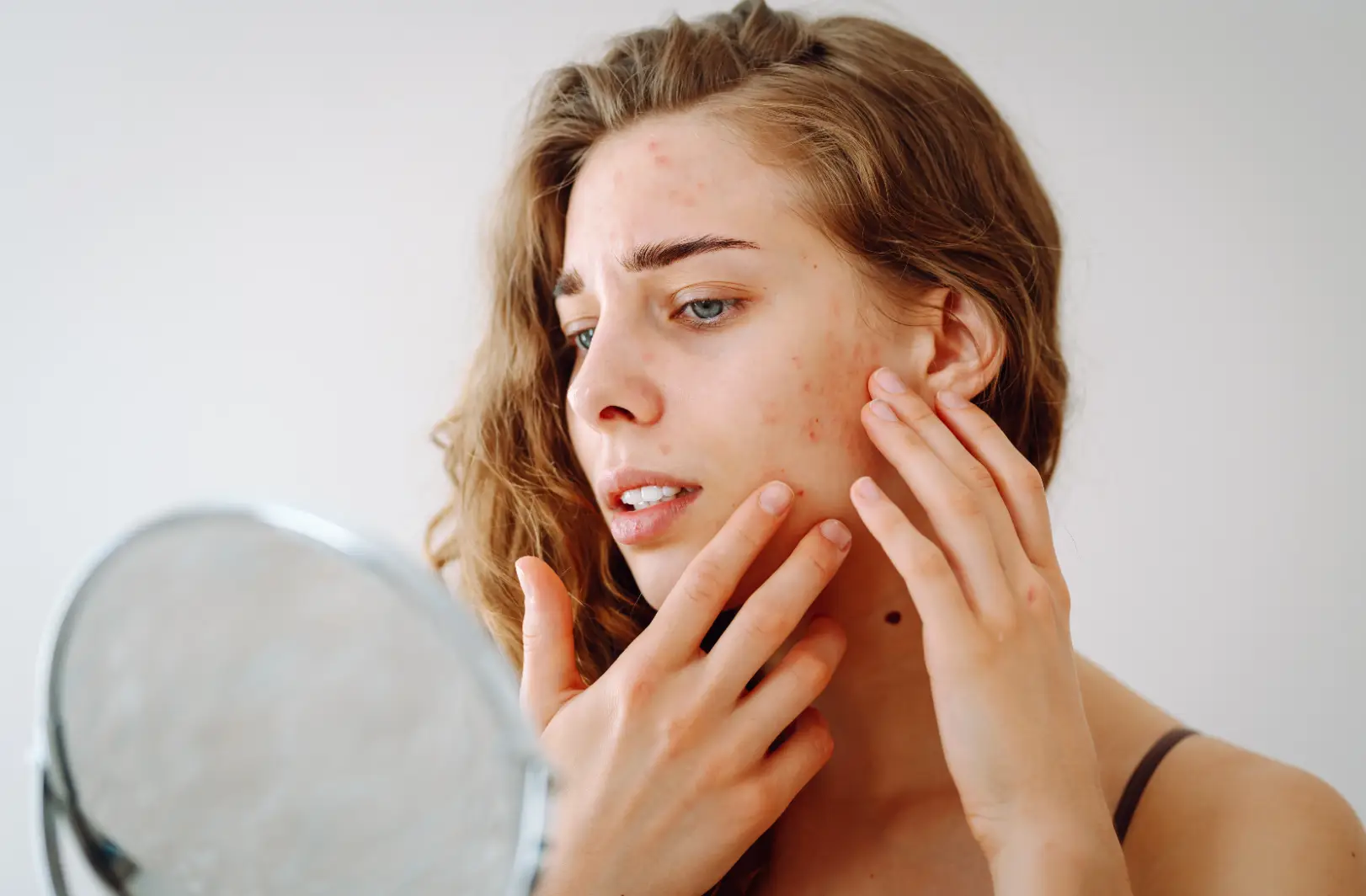
Healthy skin relies on collagen for much of its structure and firmness. When inflammatory acne damages the dermis, the healing process can produce too little collagen in certain areas. The result may be a depressed scar that sits below the surrounding skin. Fractional CO2 laser resurfacing creates controlled thermal injury that stimulates wound healing and collagen remodeling.
Over time, these processes can improve the appearance of certain depressed scars. The improvement isn’t immediate. Although the skin may look smoother after the initial recovery period, collagen remodeling continues over the following months.
This gradual response is one reason patients should evaluate results over time rather than expecting every scar to disappear after a single appointment. The degree of improvement depends on scar characteristics, treatment settings, skin type, and individual healing.
CO2 laser can soften the appearance of selected scars, but complete removal isn’t a realistic promise.
3. It Can Improve Boxcar Scars
Not all acne scars look alike, and their shape can influence treatment decisions. Boxcar scars are depressed areas with relatively defined edges. They may be shallow or deep, giving the skin a pitted or uneven appearance.
Shallow boxcar scars can sometimes respond well to fractional ablative laser resurfacing because treatment can soften sharp-looking edges and improve surrounding texture. Deeper boxcar scars may require additional procedures.
For example, certain sharply defined scars may benefit from punch techniques or other targeted approaches before resurfacing. This is why identifying the scar type matters. Patients researching boxcar rolling scars may discover that these two common patterns have different structural causes.
Boxcar scars often involve distinct edges, while rolling scars are frequently associated with fibrous attachments beneath the skin. A careful assessment helps determine whether laser treatment alone is likely to provide meaningful improvement.
4. It Softens Uneven Texture
Sometimes the most noticeable part of acne scarring isn’t one particular mark. It’s the overall unevenness across the cheeks, temples, or other affected areas. Small depressions can create shadows that become more visible under overhead lighting.
Even when the scars aren’t especially deep, their combined effect may make the complexion appear rough. Fractional CO2 laser resurfacing can improve certain surface irregularities by removing damaged tissue and encouraging new skin formation. As the treated areas heal, the skin may develop a smoother-looking surface.
This makes CO2 laser an option worth discussing for patients seeking a textured skin treatment. However, the procedure works best when the underlying cause of the texture is understood. Active acne, enlarged pores, deep tethered scars, and superficial discoloration don’t all respond in the same way.
Addressing the correct concern is more important than choosing a treatment based solely on its reputation.
5. It May Improve Several Concerns Together
Acne scars don’t always appear on otherwise flawless skin. Some patients also notice fine lines, sun-related changes, roughness, or uneven skin texture. Because fractional CO2 laser resurfacing affects the skin’s surface and stimulates deeper remodeling, it may improve several appropriate concerns during the same treatment course.
For example, a patient seeking acne scar improvement may also notice changes in the appearance of certain fine lines or areas of rough texture. That versatility can make the treatment appealing. Still, CO2 laser isn’t designed to correct every type of discoloration or skin concern.
Brown marks left after acne may represent post-inflammatory hyperpigmentation rather than true scarring. Red marks can reflect lingering vascular changes. These concerns may require different treatments.
Patients should understand which problems the laser is expected to improve and which may need another approach. A comprehensive assessment can help prevent unrealistic expectations.
6. It Offers Adjustable Treatment Intensity
One advantage of modern fractional CO2 technology is that providers can adjust treatment parameters according to the patient’s needs. Settings may influence factors such as treatment depth, energy delivery, and the proportion of skin being treated.
This allows the procedure to be tailored to the severity of scarring and the patient’s skin characteristics. At Amplify Aesthetics, fractional CO2 laser resurfacing is offered as an option for improving skin texture and selected signs of damage.
A consultation helps determine whether the treatment is appropriate and how it should be planned. Patients with more extensive scarring may need a different approach from those with relatively shallow irregularities.
However, adjustable settings don’t eliminate the risks associated with ablative resurfacing. Potential complications include prolonged redness, infection, pigment changes, and scarring. Careful patient selection, appropriate treatment settings, and aftercare all remain important.
7. It Can Produce Meaningful Improvement
For patients who have tried numerous topical products, the idea of treating established acne scars more directly can feel encouraging. Fractional ablative lasers have been studied extensively for atrophic acne scarring, particularly scars caused by tissue loss.
Clinical studies and reviews support their ability to improve selected scar patterns, although outcomes vary. Some patients experience noticeable improvement after a treatment series, while others achieve more modest changes.
The number of sessions depends on scar severity, treatment intensity, healing response, and the overall plan. It is also important to understand that stronger treatment doesn’t necessarily produce proportionally better results.
Aggressive resurfacing may increase downtime and complication risks. The goal should be meaningful improvement with an acceptable safety profile rather than pursuing complete scar elimination at any cost.
For many patients, softer edges and more even skin texture can make a noticeable cosmetic difference.
8. It Can Complement Other Procedures
One of the most important lessons in acne scar treatment is that no single procedure works equally well for every scar. Rolling scars, for example, may be held down by fibrous bands beneath the skin. When these attachments are significant, resurfacing the surface alone may not adequately release the depression.
Subcision is a procedure designed to release certain fibrous attachments, making it useful for selected tethered scars. Other approaches may include punch techniques for deep scars or targeted chemical reconstruction methods for certain narrow ice-pick scars.
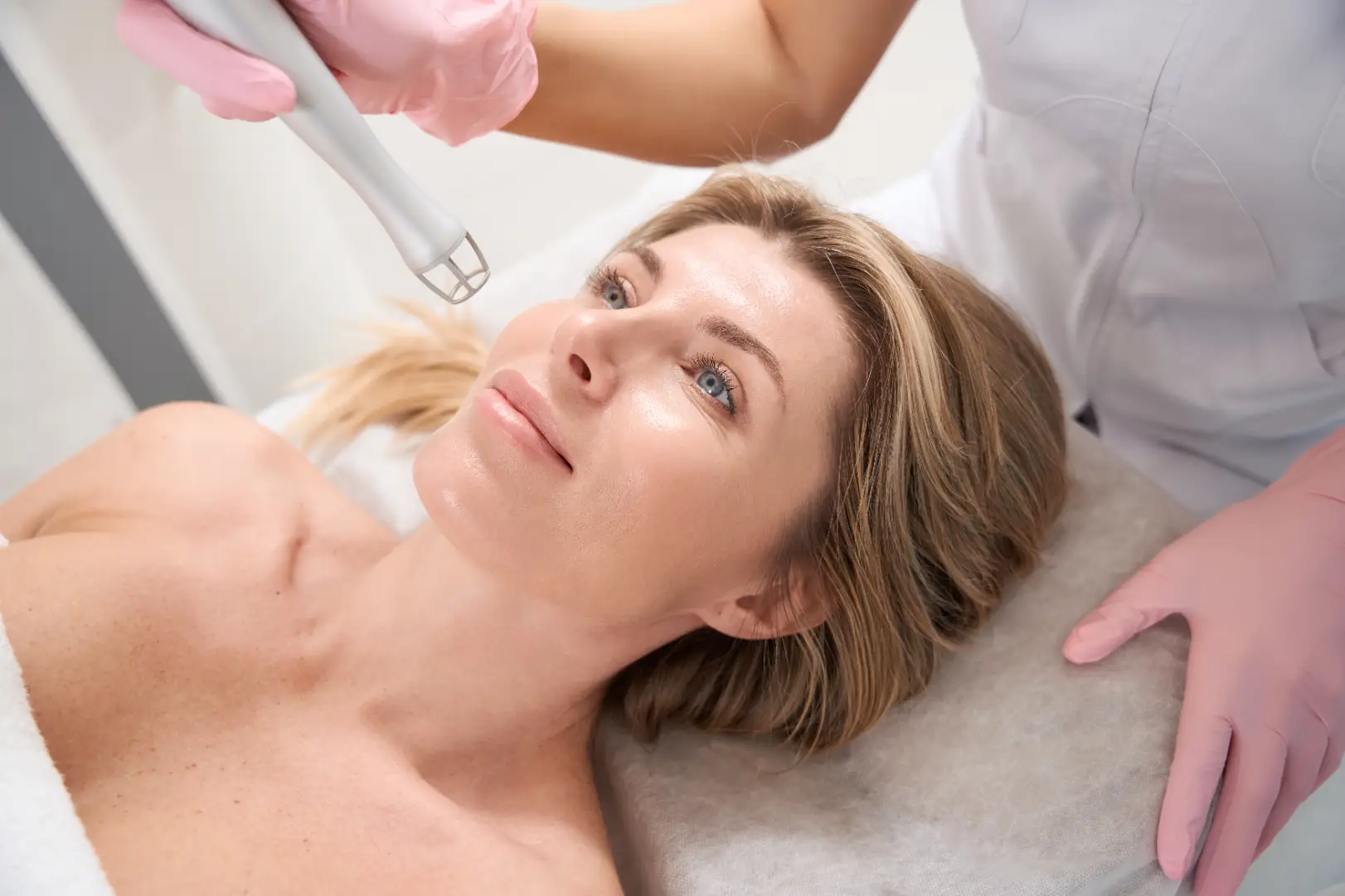
CO2 laser resurfacing may then be considered to improve surrounding texture. This combination approach isn’t necessary for every patient. However, it helps explain why a comprehensive scar assessment often matters more than selecting one popular procedure.
Treating the structural cause of a scar can sometimes be just as important as improving the skin above it.
A Smoother Future Starts Here
Acne scars can be stubborn, but meaningful improvement is possible when treatment addresses the type and depth of scarring. CO2 laser resurfacing remains an important option for selected depressed scars, particularly when uneven texture and surface irregularities are major concerns.
At Amplify Aesthetics in Camp Hill, PA, patients can explore fractional CO2 laser resurfacing through an individualized consultation. By evaluating your skin, scar patterns, and treatment goals, the team can help you understand whether laser resurfacing is an appropriate next step toward a smoother-looking complexion.